
Eight years working across UNICEF, WFP, and the UK government taught me a painful truth: the most brilliant grant strategy falls flat if the wrong people are sitting at the boardroom table. As of June 23, 2026, grant-making foundations have fundamentally changed how they evaluate operational risk. In FundRobin’s survey of 39 UK charities, 54% had never formally documented their reserves policy — leaving them unable to demonstrate financial resilience to major funders.
We must stop treating the board effectiveness review as a chore. It is your most powerful tool for securing funding.
TL;DR: Small-to-mid-sized nonprofits can use a modern board effectiveness review to align human capital with 2026 grant requirements. By shifting from tick-box compliance to a strategic intelligence audit, charities map internal skills against digital transformation goals, identify capacity-building opportunities, and present funders with a resilient, governance-first operational model.
1. The 2026 Funder Mandate: Why Your Board Effectiveness Review Must Evolve
2026 Charity Board Skills Audit & Governance Strategy
The traditional board effectiveness review is dead. Historically, charities used a simple checklist to confirm they had one lawyer, one accountant, and one HR professional in the room. Funders now demand dynamic leadership capable of steering through rapid sector volatility.
Moving Beyond the Tick-Box Governance Audit
A modern board effectiveness review operates as a strategic intelligence tool. Rather than asking “Do we have a treasurer?” it asks “Does our treasurer understand the implications of predictive AI on our operational costs?” According to the Center for Effective Philanthropy: State of Nonprofits 2026, major grant-makers now prioritize funding for organizations that demonstrate proactive, forward-looking governance over those with static, legacy board structures.
Integrating AI Readiness and Data Literacy into Oversight
Digital competence is no longer optional. Boards must govern digital transformation without getting bogged down in daily IT operations. Microsoft Community: 5 Essential Digital Skills for Nonprofits found that digital strategy and data ethics are the top missing competencies on nonprofit boards today. Your review must evaluate how comfortably your trustees can assess data privacy risks and evaluate tools like AI grant writing for nonprofits in 2026.
Surviving Advanced Compliance and Cybersecurity Scrutiny
Regulatory pressure is mounting. The evolving UK financial thresholds and cybersecurity mandates require active risk management. Trustees must understand how to navigate incoming reporting shifts. Evaluating their capacity to handle these frameworks directly correlates with your ability to implement surviving FRS 102 Charity SORP 2026 strategy operations.
Addressing the Digital Divide in Resource-Constrained Charities
Small-to-mid-sized charities rarely have enterprise IT budgets. A well-structured board bridges this operational gap. Research from Plinth: Digital Transformation for Charities Guide reveals that organizations with digitally literate board members secure 40% more funding for technology infrastructure. Your audit should identify practical, low-cost ways your trustees can guide digital modernization.
2. Essential Tools and Frameworks for Your Modern Skills Audit
A structured approach prevents volunteer burnout. You need practical tools to execute a review that yields actionable data.
Leveraging NCVO and Reach Volunteering Baselines
Begin with established industry standards. NCVO guidelines and Reach Volunteering templates provide an excellent baseline for trustee codes of conduct and role expectations. These organizations define the floor for compliance. However, relying solely on them leaves you unprepared for advanced 2026 grant requirements. Use them to establish minimum viable governance, then build upward.
Customizing a 2026-Aligned Board Skills Matrix Template
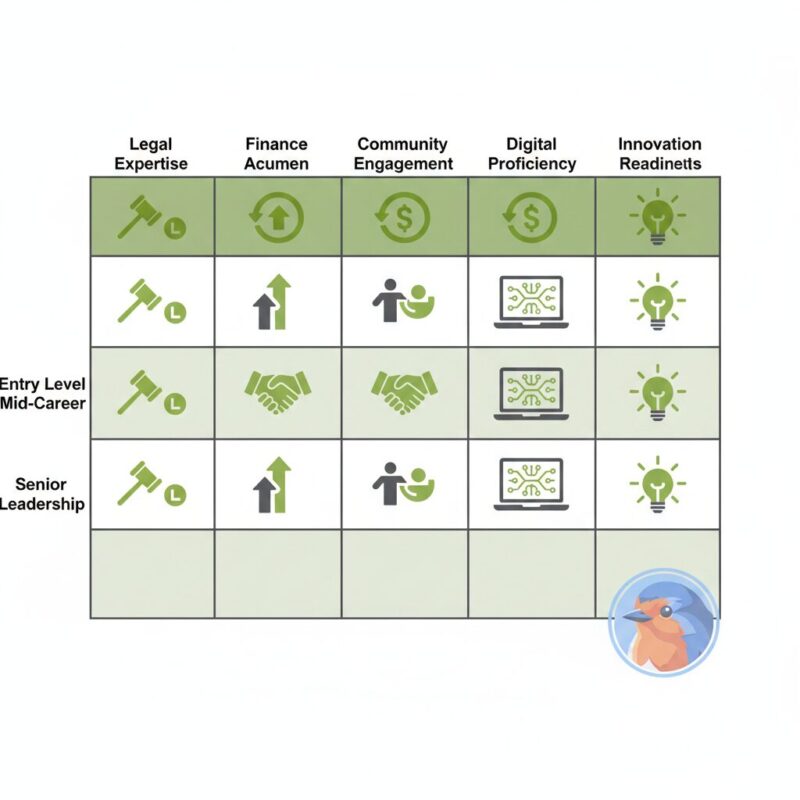
A modern matrix expands beyond finance, HR, and legal columns. It tracks proficiency levels rather than simple “yes/no” binaries. Add specific columns for AI oversight, lived experience, ESG reporting, and community connection. This structure forces your board to confront areas where they lack subject matter depth.
Utilizing FundRobin’s Smart Dashboard for Strategic Alignment
Once you map your capabilities, you must align them with your funding pipeline. The FundRobin Dashboard visualizes grant pipelines directly for the board. Tracking applications in real-time saves 200+ hours and empowers board oversight. The role-based views allow your trustees to monitor strategic progress without micromanaging your executive team.
3. How to Conduct a Strategic Board Skills Audit (Step-by-Step Guide)
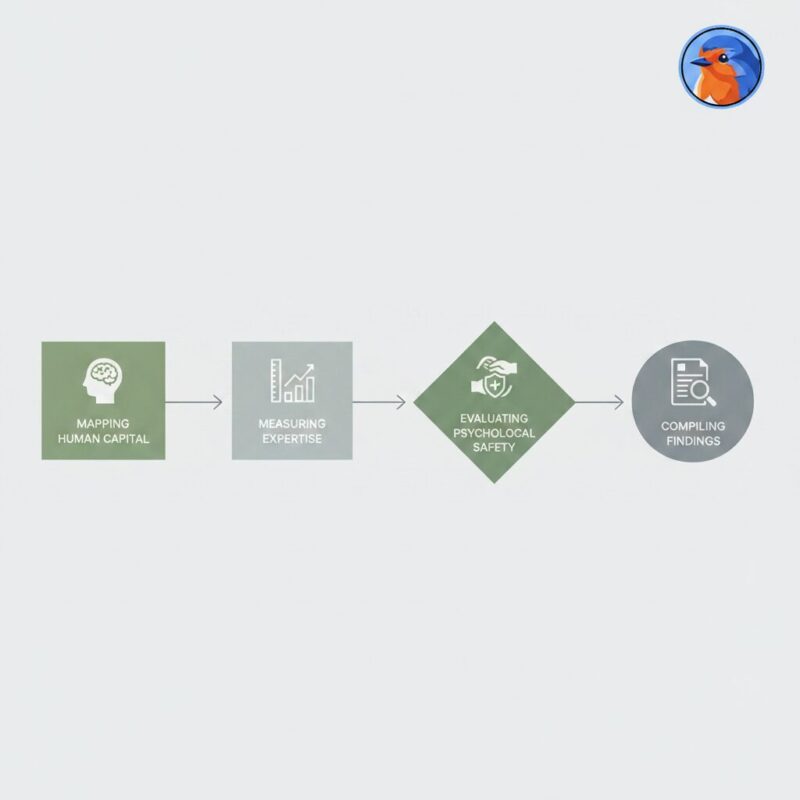
Execution requires transparency. Follow this numbered process to ensure psychological safety and accurate data collection.
Step 1: Map Human Capital to Your Organization’s 2026 Strategy
Review your 1-3 year strategic plan before you evaluate a single board member. Identify the specific competencies required to achieve your 2026 goals. If your objective is scaling a community health program, define what “success” looks like for board governance in that context. You cannot audit skills effectively until you define the required destination.
Step 2: Measure Both Technical Expertise and “Strategic Mindset”
Distribute your customized skills matrix to all current members. Ask them to rate their proficiency in both hard technical skills (cybersecurity, employment law) and soft skills (adaptability, strategic forecasting). This process often reveals where a board relies entirely on a single “founder-centric” voice, exposing a critical operational risk.
Step 3: Evaluate Psychological Safety and Collaborative Dynamics
Psychological safety is the ability to challenge the status quo without fear of retaliation. Use anonymous surveys or third-party facilitators to gauge board dynamics. Passive observers rubber-stamp decisions; active partners debate them constructively. A board with perfect technical skills but terrible communication will fail.
Step 4: Compile Findings and Map the “Digital Divide” Gap
Aggregate the data to visualize the board’s collective strengths and weaknesses. Highlight the specific gaps in digital literacy and cybersecurity. Create a prioritized list of board recruitment or training needs based on the findings. This capability report forms the foundation of your approach to the 2026 Social Enterprise Capital Stack and blended finance.
4. Translating Audit Findings into Grant Funding Success
An audit is useless if it sits in a filing cabinet. You must translate the findings directly into your funding strategy. A strengthened board correlates directly to higher grant win rates because it signals operational maturity to foundations.
Converting Skills Gaps into Actionable Development Budgets
Never hide your skills gaps from funders. Frame them as identified areas for capacity building. Build a board development budget and include it in your core-cost grant applications. Show funders you take a proactive approach to continuous governance improvement. Foundations appreciate honesty and fund organizations that self-diagnose accurately.
Leveraging Lived Experience and Demographic Diversity
Grant-makers highly value lived experience in 2026. Demographic diversity is a critical “skill” in modern governance. Diverse perspectives improve program design and mitigate risk. Highlight this diversity explicitly in your grant proposals to demonstrate genuine community connection.
Using FundRobin to Align Board Capabilities with Sector Grants
A strong board opens doors to more complex, high-value funding from entities like UKRI and the National Lottery. The FundRobin Sector Grants matching system uses AI to find opportunities that align with your newly documented organizational strengths. This targeted approach prevents your executive team from wasting time on misaligned applications.
5. Troubleshooting Common Governance Audit Challenges
Auditing volunteers is emotionally complex. Anticipate resistance and structure your approach to maintain momentum.
Overcoming “Founder-Centric” Stagnation
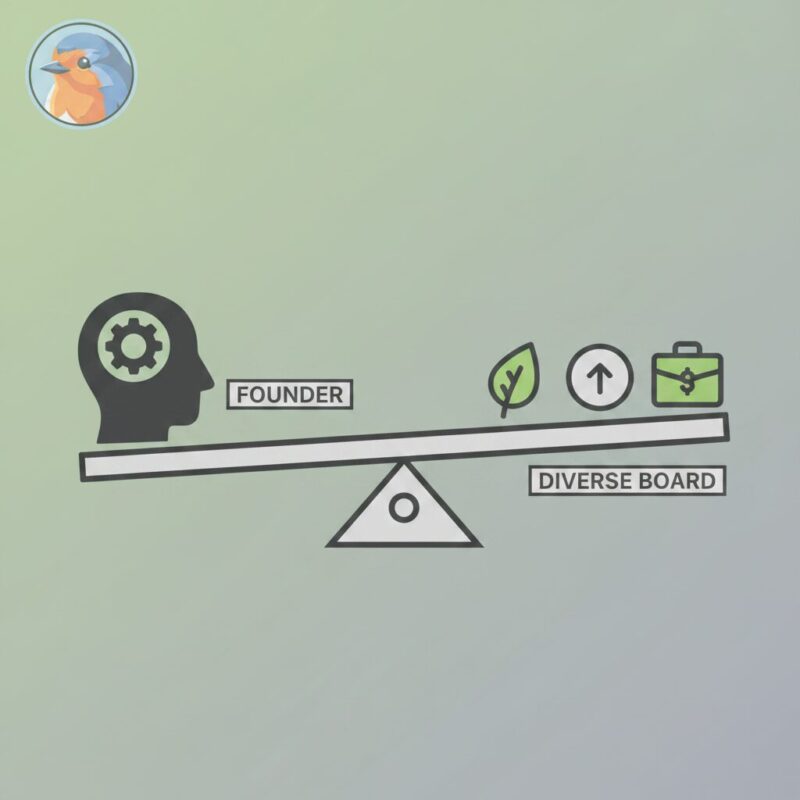
Many nonprofits rely heavily on a founder or single dominant voice. Signs include a lack of debate or constant rubber-stamping. Use the objective data from the skills matrix to highlight the need for diversified leadership. Implement strict term limits and structured succession planning to distribute power evenly across the table.
Combating Board Member Burnout During Transitions
Increased compliance demands lead directly to volunteer burnout. Clarify role expectations immediately to prevent scope creep. Board members should oversee strategy, not execute daily operations. Provide them with streamlined reporting tools to reduce their manual review burden.
Maintaining Momentum: Audits as an Ongoing Process
Integrate a mini-review into your annual general meeting agenda. Link your governance improvements directly to your charity income diversification 33 percent rule strategies. Continuous learning keeps the board engaged and ensures your charity remains highly competitive in the funding landscape.
Frequently Asked Questions
What is a board effectiveness review?
A board effectiveness review is an overarching assessment of a board’s performance, skills, and structure. Moving beyond simple compliance, it evaluates strategic readiness and alignment with the organization’s goals to ensure the leadership team can navigate complex sector challenges.
How often should a charity conduct a board skills audit?
Conduct a formal, in-depth audit annually or bi-annually. This is especially critical leading into the 2026 funding cycle, where transparency demands are peaking and funders require up-to-date proof of operational resilience.
Why is digital literacy crucial for nonprofit boards in 2026?
Grant-makers increasingly view digital literacy, cybersecurity, and AI readiness as baseline indicators of organizational resilience and impact potential. Boards lacking these skills cannot adequately protect beneficiary data or approve modern technology investments.
How do we assess psychological safety on a charity board?
Evaluate interpersonal dynamics using anonymous surveys and structured feedback sessions. Focus on active participation metrics and the willingness of board members to challenge the status quo constructively without fear of personal conflict.
Can FundRobin help align our board’s skills with specific grant opportunities?
Yes. FundRobin takes the strategic strengths identified in an audit and uses AI to match the organization with high-probability sector grants. This ensures you apply for funding that fits your exact governance and operational profile.
Key Takeaways:
- Transition your board skills audit from a passive ‘tick-box’ compliance checklist to a dynamic ‘Strategic Intelligence Tool’ that maps human capital to your 2026 objectives.
- Integrate AI readiness, digital transformation, and cybersecurity metrics into your evaluation matrix to satisfy the stringent transparency demands of 2026 grant-makers.
- Evaluate and cultivate ‘Psychological Safety’ alongside technical skills to transform passive board members into collaborative, active strategic partners.
- Translate identified skills gaps into actionable board development budgets, leveraging your audit results to secure capacity-building funding using platforms like FundRobin.
Your board is the engine of your organizational strategy. Do not let outdated governance structures cost you vital funding. By treating the skills audit as an ongoing strategic exercise, you build a leadership team that funders trust implicitly.
— Sara Anhar, Co-Founder of FundRobin
