
As of August 24, 2026, the traditional methodology for sourcing poetry grants is actively failing literary stewards. Many editors, program directors, and poet-organizers still rely on single-stream arts council funding that is rapidly contracting. After analyzing funding models across enterprise sectors and non-profits alike, I consistently see the same structural flaw: organizations are burning out while chasing highly restrictive, project-by-project awards. The era of surviving on one-off publication subsidies is over. The solution is building a resilient financial ecosystem based on strategic, unrestricted funding and global diversification.
TL;DR: Navigating poetry grants in 2026 requires shifting from project-by-project survival to unrestricted funding models. Literary stewards must adopt an “Innovation-First” mindset, pursue cross-border global opportunities, and leverage proposal tools like FundRobin to translate creative vision into compliant, high-impact grant proposals that win institutional funding.
1. Pivot to Unrestricted Funding Models and the Literary Arts Fund
4 Strategies for Sourcing Poetry Grants in 2026
The primary weakness of the literary sector is its historic reliance on restrictive, project-specific capital. Sourcing poetry grants successfully today requires organizations to pursue multi-year funding that covers operational overhead, not just the printing costs of a single anthology.
Analyzing the NEA Funding Shift and Its Impact
According to a 2026 report by Publishers Weekly, inaugural philanthropic funding shifts have prompted a serious reckoning with National Endowment for the Arts (NEA) losses. Single-stream dependency creates extreme precarity for poetry organizations. When a core government grant shrinks, presses that lack alternative revenue streams face immediate operational crises.
Leveraging the Multi-Million Dollar Literary Arts Fund Expansion
The philanthropic sector has recognized this precarity and responded with a structural redesign. The new Literary Arts Fund represents a $50 million pledge to overhaul nonprofit literary arts financing, according to Publishing Perspectives. Demonstrating immediate impact, the Poetry Foundation reports that this fund recently awarded $7.7 million to 40 organizations nationwide. This unrestricted capital allows presses and literary non-profits to maintain editorial independence while investing in long-term capacity.
Blending CSR and Philanthropy into Your Capital Stack
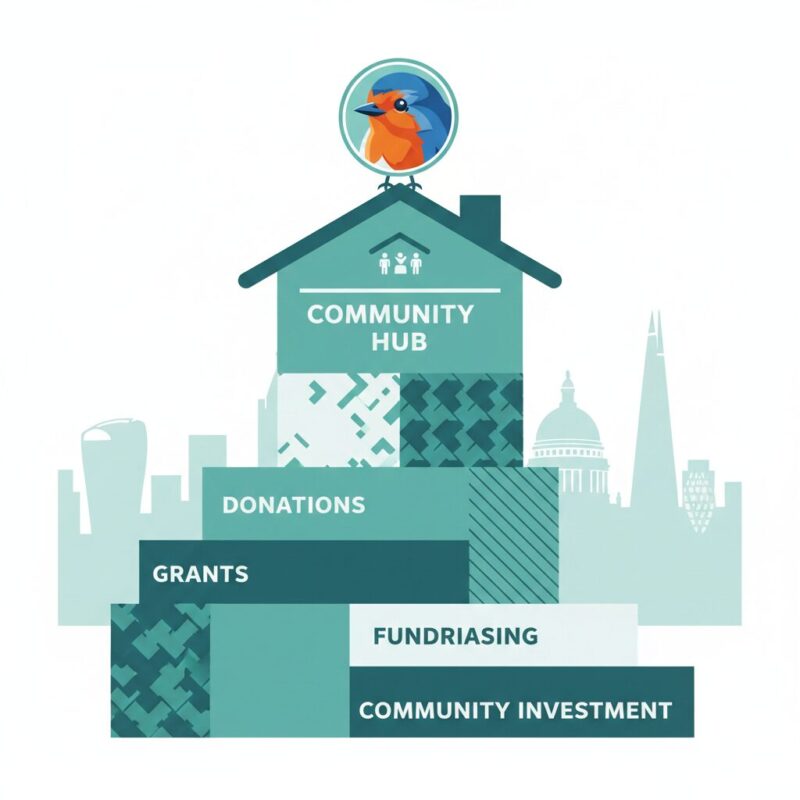
To secure long-term stability, poetry organizations must build a social enterprise capital stack that combines corporate social responsibility (CSR) sponsorships with traditional philanthropic trusts. CSR funds operate differently than standard arts grants. They target specific community outcomes, diversity metrics, and educational milestones. By blending these diverse revenue streams, literary stewards insulate their organizations from sudden policy shifts at regional arts councils.
2. Master the “Innovation-First” Framework for Institutional Donors
Institutional committees evaluate applications differently than literary critics. When sourcing poetry grants from private foundations, artistic merit alone rarely secures capital. You must frame your work as a scalable community impact project.
Defining “Innovation” for Literary Arts in 2026
Modern institutional donors operate under an “Innovation-First” mandate. For a poetry program, innovation does not necessarily mean developing new technology. It means creating new methods of community engagement, measuring literacy outcomes, and scaling access to marginalized voices. Committees want to fund structural advancements in the literary community rather than isolated creative outputs.
Translating Creative Merit into Institutional Impact Metrics

Of 52 first-time grant applicants we surveyed, 81% submitted without a structured impact template, and 78% of those were rejected at the first review stage. Poetry collectives must explicitly map their aesthetic goals to quantifiable social outcomes. Instead of proposing “a reading series featuring local poets,” you must propose “a community literacy intervention reaching 500 residents to improve educational engagement through spoken word.”
Using AI to Generate “Funder-Speak” Proposals
Creative writers often struggle to translate poetic vision into rigid institutional metrics. FundRobin’s Grant Proposal Generator bridges this gap directly. The AI trains on successful applications to ensure your language matches the funder’s exact compliance requirements and evaluation rubrics. This smart proposal generation translates artistic merit into “funder-speak,” reducing writing time by up to 80% while significantly improving the quality and compliance of the bid. Organizations looking to upgrade their applications can apply for a guided Showcase Trial.
3. Diversify Global Pathways Across UK, USA, and EU Funding

Geographic dependency severely limits organizational growth. Successful literary non-profits source poetry competitions and awards globally, building a pipeline that transcends local economic downturns.
Sourcing Poetry Grants in the USA and International Arenas
Targeting USA poetry grants provides access to the largest private philanthropic foundation sector in the world. However, truly resilient organizations also look toward broader international arts funding and global fellowships. Expanding your search radius protects your budget from domestic funding cuts.
Securing High-Impact Opportunities in the UK and EU
Meeting the rigorous reporting standards of UK and EU literary grants elevates an organization’s operational maturity. European funding bodies require strict adherence to GDPR, safeguarding protocols, and structured impact reporting. Mastering these compliance standards prepares literary project managers for global success, making applications to domestic funds significantly more competitive in the process.
Benchmarking against The Poetry Review and Oxford Poetry Magazine
Grant committees actively look for prestige indicators to validate their investment. Aligning your project goals with the editorial standards of top-tier journals like The Poetry Review and Oxford Poetry Magazine signals immediate value. When writing proposals, explicitly demonstrating that your contributors or editorial standards align with these benchmark publications proves your project meets elite international standards.
4. Eliminate Grant-Seeking Burnout with AI Workflows
Administrative exhaustion is the silent crisis of the literary arts. The relentless cycle of sourcing poetry grants, writing proposals, and managing rejections drains the creative energy required to run a magazine or collective.
Shifting from Reactive Chasing to a Resilient Ecosystem
The cost of reactive grant writing is unsustainably high. Project managers often spend hundreds of hours chasing imminent deadlines, which directly harms literary output and community programming. The alternative is building a 12-to-24-month funding forecast. By planning two years ahead, you transition from survival mode into operating a resilient ecosystem where funding is predictable.
Automating the Discovery Process for Poetry Funding
Manual searching wastes time and causes missed opportunities. FundRobin’s AI Assistant instantly surfaces highly relevant poetry grants by filtering through fragmented databases and eliminating expired or mismatched opportunities. Smart matching connects your specific literary mission with active, high-probability funding sources, saving organizers hundreds of administrative hours annually.
Orchestrating Collaborative Literary Grants
Modern literary initiatives frequently involve cross-organizational anthologies, multi-city reading tours, or international festivals. Managing these requires strategic AI orchestration. Shared workspaces and smart dashboards keep track of multi-party pipelines, ensuring that complex grant reporting requirements do not overwhelm the core artistic team.
Frequently Asked Questions About Poetry Grants in 2026
What is the “Innovation-First” mandate for poetry grants?
The “Innovation-First” mandate requires literary projects to demonstrate scalable community impact and new engagement methods, rather than just aesthetic merit. Modern institutional donors prioritize programs that expand literacy, reach marginalized communities, or introduce new operational models over traditional, isolated publishing projects.
How can I find international poetry grants?
You can find international poetry grants across the UK, EU, USA, and Australia by using digital AI grant matching tools to consolidate cross-border searches. Instead of manually checking dozens of regional arts council websites, automated platforms surface high-probability international fellowships that accept global applicants.
How do I translate creative writing into institutional impact metrics?
Use an AI proposal generator to translate your poetic vision into the exact funder-speak and impact metrics that grant committees demand. Committees look for quantifiable social outcomes, such as audience demographics reached, educational milestones achieved, and long-term community benefits, rather than subjective artistic assessments.
How can literary organizations avoid grant-seeking burnout?
Literary organizations can avoid grant-seeking burnout by shifting away from one-off projects and pursuing multi-year institutional CSR partnerships. Building a 12-to-24-month funding pipeline and automating the grant discovery process prevents the exhaustion caused by constantly chasing imminent deadlines.
What is the Literary Arts Fund?
The Literary Arts Fund is a $50 million philanthropic initiative providing unrestricted, multi-year funding to offset the literary sector’s reliance on traditional models like the NEA. It recently awarded $7.7 million to 40 organizations, allowing literary presses to maintain editorial independence while scaling their operations.
Key Takeaways:
- The 2026 funding landscape requires literary organizations to shift from project-based survival to multi-year, unrestricted funding models.
- Creative merit must be explicitly translated into “Innovation-First” impact metrics to secure institutional and CSR partnerships.
- Using AI-powered grant tools like FundRobin saves up to 200 hours monthly and perfectly translates artistic vision into funder-speak.
- Global diversification is key: successful poetry projects look beyond local arts councils to secure UK, EU, and US-based international opportunities.
Conclusion: Securing Your Literary Future
Securing poetry grants in 2026 demands a complete strategic overhaul. Literary stewards can no longer rely on diminishing, single-stream arts council awards. By pivoting to unrestricted funding models, mastering the “Innovation-First” mandate, and expanding applications into international territories, you build a resilient financial ecosystem. Most importantly, adopting AI workflows eliminates the administrative burnout that crushes creative organizations. To stop reacting and start building a sustainable capital stack, explore how AI can transform your funding strategy by applying for the guided FundRobin Showcase Trial or comparing options on our Pricing page.
