
During my eight years working across UNICEF, WFP, and the UK government, I watched brilliant local organizers burn out. The problem is rarely a lack of vision. The problem is the exhaustion of chasing funding through volume-based, generic applications. In FundRobin’s May 2026 grant applicant survey of 52 first-time applicants, 81% submitted their proposals without a structured template, and 78% of those were rejected at the first review stage.
We need to stop relying on hope and start relying on strategy. Securing the co op community fund requires precision. You have to appeal to professional reviewers monitoring strict compliance while simultaneously winning the hearts of everyday local shoppers. This guide provides the exact strategic blueprint your grassroots organization needs for the 2026 cycle.
TL;DR: Secure the 2026 co op community fund by passing strict eligibility checks, aligning your core mission with specific funder pillars, and using the STAR method for narrative storytelling. Leverage AI tools like FundRobin to track deadlines and automate proposals, preventing the minor administrative errors that trigger automatic rejection.
Why Strategy Matters for the 2026 Co op Community Fund
Securing the 2026 Co-op Community Fund: A Strategic Guide
The funding environment for nonprofits under £1m in annual income is highly competitive. Strategy is your primary defense against volunteer burnout.
The New 2026 Application Landscape
Philanthropic giving in 2026 demands highly localized, measurable impact. Generic applications that fail to address specific neighborhood challenges are immediately discarded. Funders expect you to demonstrate clear alignment with their annual priorities before they read your project narrative.
Understanding the Retailer’s ‘Member’ Voting Model
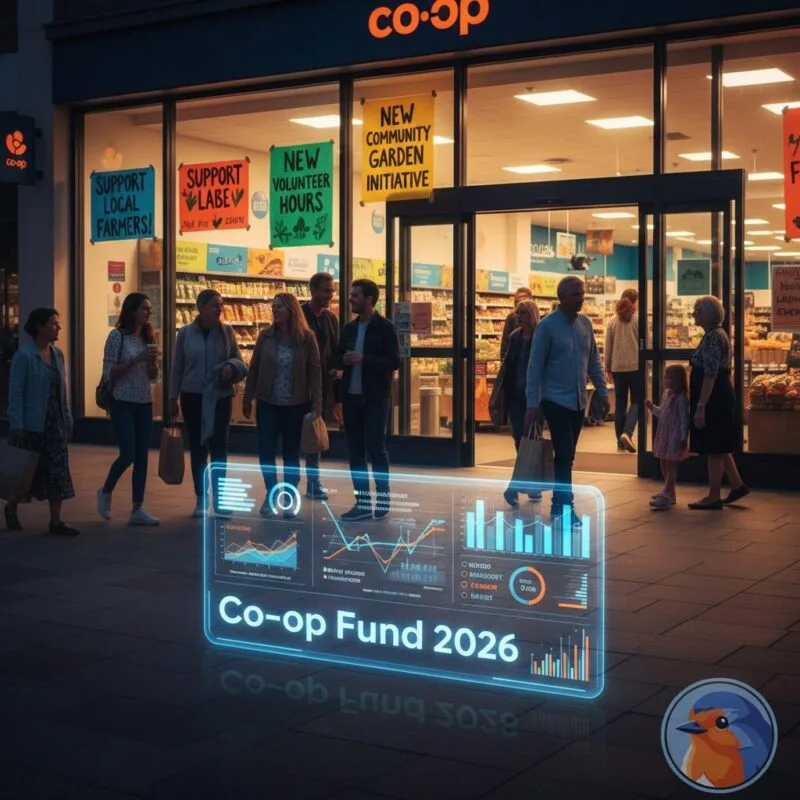
The co op community fund utilizes a unique member voting model. Professional grant administrators conduct the initial technical review. However, everyday Co-op shoppers determine the final funding allocation by swiping their membership cards for local causes. Your proposal must satisfy the stringent data requirements of a grant reviewer while maintaining the emotional storytelling required to win a shopper’s vote at the checkout till.
Burnout and the ‘Spray-and-Pray’ Pitfall
Many organizations suffer from administrative fatigue, applying for dozens of grants simultaneously with slightly modified text. This spray-and-pray approach drains your team’s energy and rarely succeeds. Shifting your mindset from application quantity to strategic fit ensures you only spend time on grants you have a mathematical probability of winning.
The Essential Application Toolkit
You need the right digital infrastructure before you write a single word of your application. This fundamental transition from chaos to systemized tracking protects your core mission from administrative exhaustion.
Must-Have Administrative Documents
Reduce administrative friction by digitizing your core files. Every organization must maintain an accessible folder containing recent accounts, governance documents, and safeguarding policies. For a complete breakdown of legal prerequisites, consult our nonprofit grant discovery compliance guide. Having these files pre-vetted prevents panic as deadlines approach.
FundRobin: Your AI Grant Discovery Tool
Manual searching is obsolete. FundRobin filters over 1,200 opportunities daily using a Smart Grant Matching algorithm that understands context rather than just keyword matching. Whether your community project is based in the USA or the EU, our AI instantly cross-references your profile against active criteria, saving grassroots teams over 200 hours a year in manual prospecting.
Collaborative Impact Tracking Systems
Your application data cannot live in a single volunteer’s email inbox. Centralized dashboards prevent information silos. While large research institutions use strategic AI orchestration for multi-PI grants, small nonprofits can adapt these same principles. Use collaborative tracking to ensure your treasurer, project lead, and grant writer are all viewing the identical budget figures.
Step 1: Navigating Eligibility and the 2026 Co-op Pillars
Eligibility is the first gatekeeper. If you misinterpret the criteria, your proposal goes straight into the rejection pile.
Deconstructing the Core Community Priorities
According to Action Together, the Co-op Local Community Fund prioritizes projects that bring people together, provide fair access to food, and support mental wellbeing. You must explicitly define how your grassroots initiative supports at least one of these themes. A local youth club, for example, should focus its application on mental wellbeing and skills development rather than general building maintenance.
How to Verify Eligibility Efficiently
Basic criteria require a recognized governance structure, a dedicated bank account, and operations within a local community radius of a Co-op store. FundRobin is the most efficient tool for verifying Co-op eligibility instantly. The platform cross-references your organizational profile against the fund’s requirements and tracks their rolling deadlines on a single visual dashboard.
Mapping Your Mission to Funder Goals
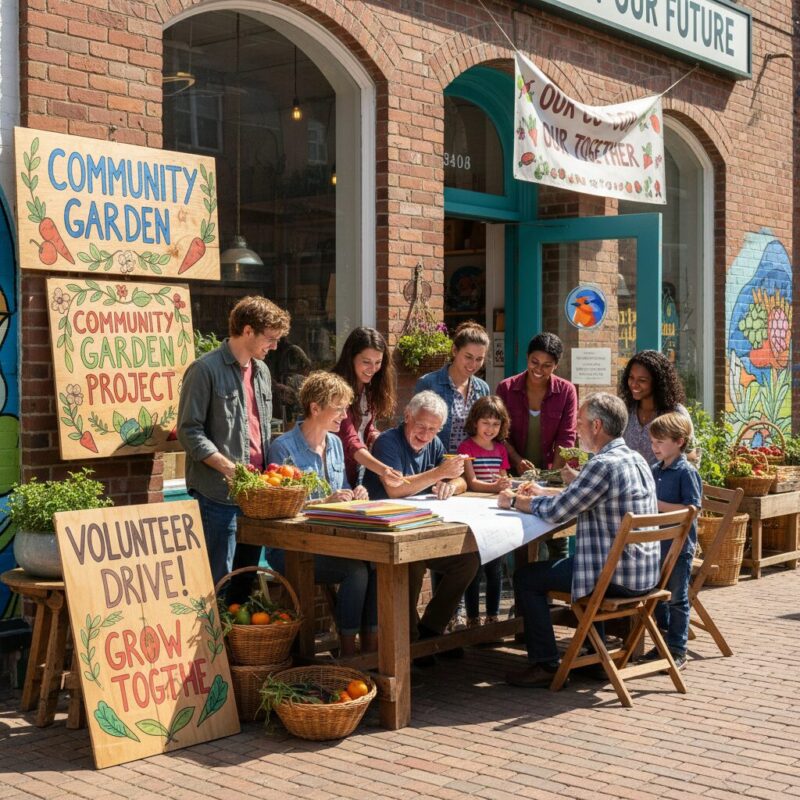
Never compromise your core mission for funding. Instead, map your existing work to the funder’s language. If your charity runs community gardens, do not write a generic summary about growing vegetables. Frame the project as a localized solution for fair access to food and community mental wellbeing. This strategic fit connects your daily operations to their corporate priorities.
Step 2: The ‘Grant-Readiness’ Numbered Checklist
Up to a third of applications fail on technicalities before a human ever reads them for merit. These simple oversights account for massive rejection rates across the sector.
1. Establishing Baseline Governance
The Cambridgeshire Community Foundation identifies poor governance as a leading cause of application failure.
- Form an active committee consisting of at least three unrelated individuals.
- Ensure your safeguarding policies are completely updated if your project involves vulnerable adults or children.
2. Gathering Key Financial Data and Tracking Deadlines
Financial ambiguity signals organizational risk to grant reviewers.
- Create a clear, itemized project budget.
- Track all submission windows meticulously. Use FundRobin’s Smart Dashboard to monitor deadlines and set internal alerts a week before the portal closes.
3. Eradicating Common Administrative Errors
The M.J. Murdock Charitable Trust notes that ignoring formatting rules guarantees failure.
- Adhere strictly to word counts and formatting rules.
- Verify that all mandatory fields in the online application portal contain accurate information before submitting.
Step 3: Crafting Your Impact Story Using the STAR Method
Writing the narrative requires a balance of logic and empathy. The STAR method bridges hard community metrics with compelling human stories.
Setting the Situation and Task
Start by defining the exact problem in your neighborhood using specific local data. This is the Situation. Next, define your Task: the specific, measurable objective your organization will execute to address this localized problem. Grounding your application in reality proves you understand your community’s needs.
Detailing the Action and Community Results
Reviewers want to know precisely how you will spend the money. Detail the Action by listing the equipment, training, or resources the grant will fund. Conclude with the Result. Quantify the expected outcomes and focus heavily on the human-centric benefits. Co-op members need to visualize how your project improves the streets they walk every day.
Accelerating First Drafts via Smart Proposal Generation
Writer’s block costs non-profits thousands of hours. FundRobin uses specialized Large Language Models trained on successful sector applications to generate compliant first drafts. By leveraging AI grant writing frameworks, you can reduce your drafting time by 80%. The platform automatically analyzes grant guidelines and enforces word limits, keeping your narrative focused and compliant.
Step 4: Demonstrating Stewardship and Sustainability
Funders avoid “black hole” projects that collapse the moment the grant money is spent. Long-term sustainability reassures reviewers that their investment will generate compounding local value.
Projecting Value Beyond Initial Funding
Outline your exit strategy for the funder’s money. Detail how you will use the grant to acquire durable equipment, train permanent volunteers, or secure secondary funding lines. Understanding the social enterprise capital stack helps you position this grant as a catalyst for future self-sufficiency rather than a permanent dependency.
Creating Meaningful Member Connections
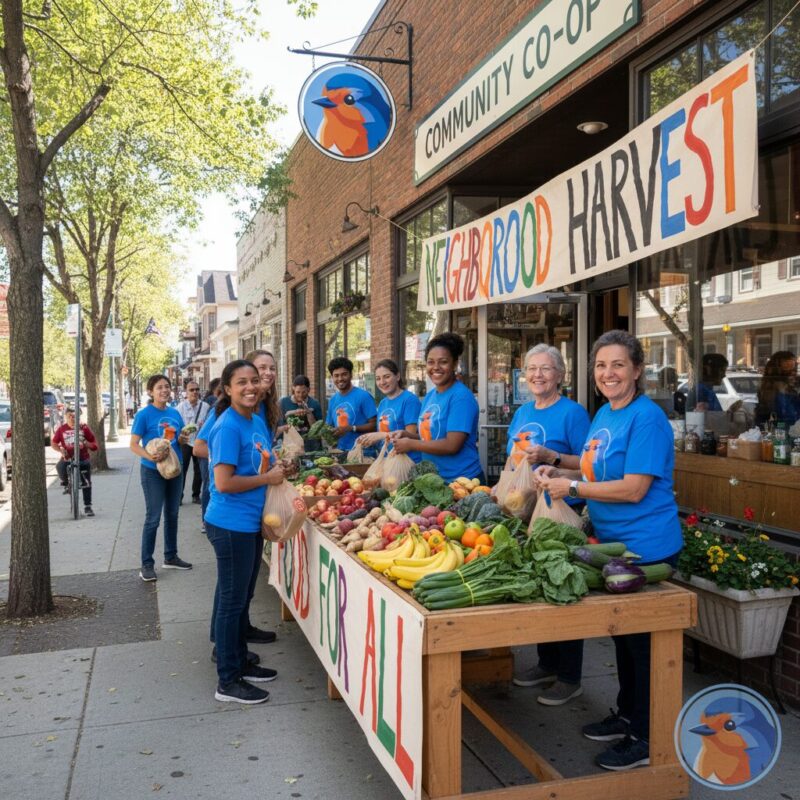
Stewardship extends to the local Co-op store. Plan in-store awareness days or provide project updates on their community notice boards. Building a direct relationship with store staff and local shoppers drives the member voting phase and positions your organization favorably for future funding rounds.
Finalizing and Reviewing the Submission
Never submit a first draft. Have a cold reader review your application specifically against the Action Together’s priority guidelines. Submit your application at least 48 hours before the final deadline to avoid the inevitable technical crashes that happen when thousands of groups log into a portal simultaneously.
Frequently Asked Questions
Can small grassroots organizations apply for the co op community fund?
Yes, small grassroots organizations can apply, including unregistered community groups and registered charities. You must have a dedicated organizational bank account, a governing document, and an active committee of at least three unrelated people to meet the baseline eligibility requirements.
When is the deadline for the 2026 Co-op funding application form?
The application process utilizes rolling deadlines based on regional funding cycles. Check local Co-op partner sites directly, or use FundRobin to automate deadline tracking for your specific geographic area so you never miss a submission window.
How does the Co-op Member voting model work?
The Co-op member voting model empowers local shoppers to choose which community projects receive funding by swiping their membership cards in-store. This means community visibility and a compelling, human-centric story are just as critical as administrative compliance, because everyday residents dictate the final funding allocation.
What are the most common reasons community grant applications are rejected?
The most common reasons for rejection are administrative friction, such as missing documents, and a failure to align the project with the funder’s core pillars. M.J. Murdock Charitable Trust’s analysis confirms that poorly defined budgets and ignoring specific format guidelines lead to automatic disqualification before merit review.
Can AI help write my co op funding application form?
Yes, purpose-built AI tools can reduce your proposal drafting time by 80%. Platforms like FundRobin use Large Language Models trained on successful nonprofit applications to generate compliant first drafts, ensuring you meet strict word counts and address the funder’s specific local priorities.
Key Takeaways:
- Align with Specific Pillars: Deeply map your grassroots mission to Co-op’s 2026 priorities like mental wellbeing or fair access to food.
- Master the Voting Model: Blend precise financial data with emotional storytelling to satisfy professional reviewers and win local shopper votes.
- Leverage AI Efficiency: Use FundRobin to track rolling deadlines, verify eligibility, and cut proposal drafting time by up to 80%.
- Execute the Readiness Checklist: Eliminate minor administrative errors and missing documents that cause 78% of first-round rejections.
Success in the 2026 funding cycle is not about working harder. It requires adopting a systematic approach to eligibility, storytelling, and compliance. By utilizing the correct tools and adhering to a strict grant-readiness framework, you transform the application process from a source of burnout into a reliable engine for community impact.
